
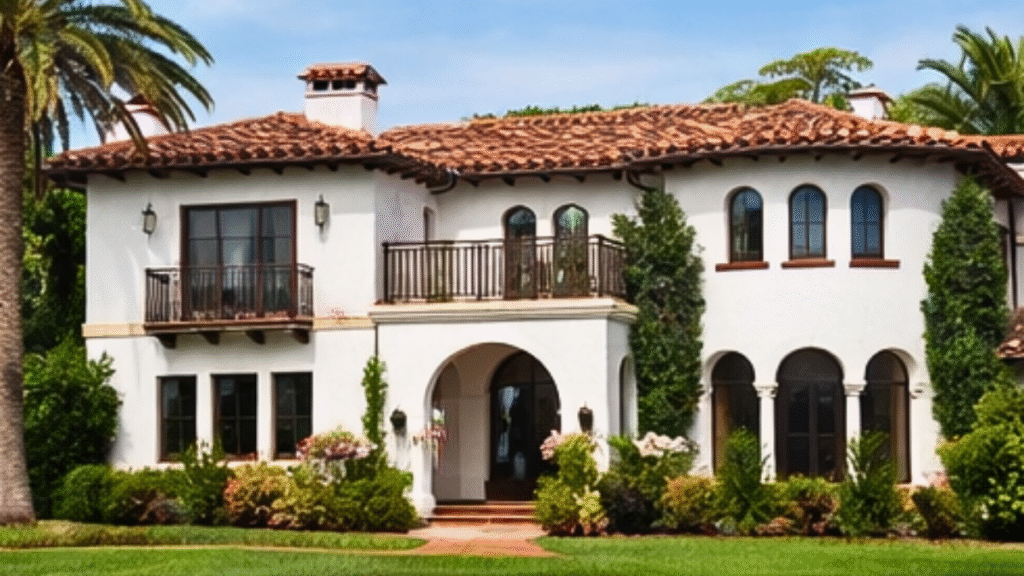
After 25 years of crawling through crawlspaces, attics, and utility corridors across Beverly Hills, I can tell you this without hesitation: rodents don’t care how much your estate cost, every home needs rodent control.
In fact, the architectural grandeur that defines neighborhoods like Trousdale Estates, Beverly Hills Flats, Beverly Hills Gateway, and Holmby Hills is precisely what makes these properties so vulnerable. Ornate rooflines, aging stucco walls, dense ornamental landscaping, and the seasonal pressure of Beverly Hills’ Mediterranean climate create a perfect storm for rat and mouse infestations that, if ignored, escalate from a nuisance into a structural and biological crisis.
Why Beverly Hills’ Climate and Landscape Are Working Against You
The Short Answer: Beverly Hills’ Mediterranean climate creates a seasonal “push-pull” effect for rodents. Hot, dry summers drive rats toward your estate’s irrigation systems and pools for water. Conversely, winter rains flood their ground burrows, forcing roof rats vertically into your home’s attic and wall voids seeking shelter.
Beverly Hills’ climate—warm, dry summers hovering between 75–85°F, mild winters with periodic rainfall from December through March, and the punishing Santa Ana winds in the fall—drives rodent behavior in ways most homeowners never anticipate. During long dry summers, your koi ponds, drip lines, and pool equipment become critical life-support systems for local rat populations. When winter arrives, the rains push roof rats (the dominant species in urban Los Angeles) vertically into your structures. They don’t knock on the front door; they enter through the roofline, expansion joints, and gaps around HVAC penetrations.
How Beverly Hills’ Ornamental Landscaping Creates a Rodent Superhighway
The lush, manicured landscaping that defines Beverly Hills estates is one of the primary drivers of structural infestation. Here are the most common landscape features that function as rodent superhighways:
- Italian Cypress Trees: Planted along borders in Holmby Hills and Trousdale Estates, these act as vertical launch pads. Mature cypress planted within 18 inches of a roofline is an open invitation for climbing roof rats.
- Jacaranda and Palm Trees: Fibrous canopies and proximity to rooftop gutters provide excellent nesting material and access.
- Dense Hedges (Ficus & Pittosporum): The go-to privacy screens for Beverly Hills Flats properties provide protected, ground-level harborage for Norway rats and house mice.
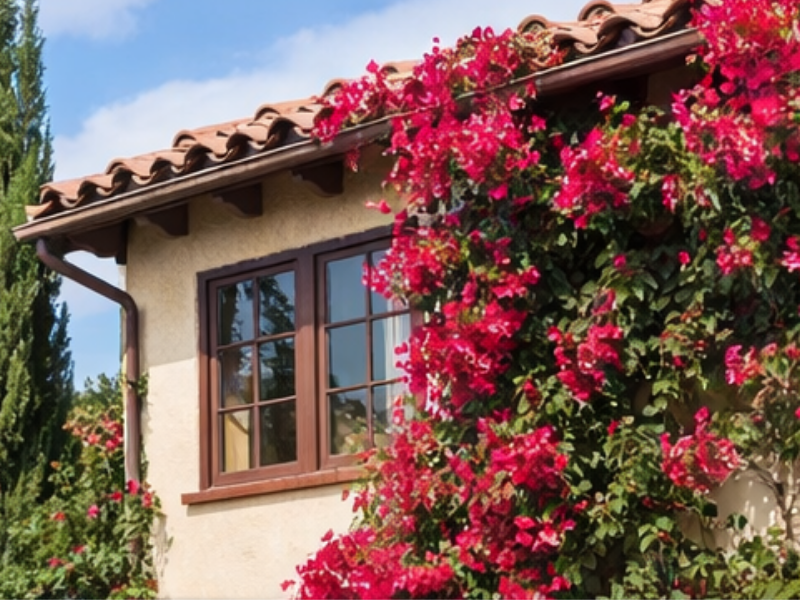
- Trellised Bougainvillea: When trained along exterior walls, these create sheltered, predator-free corridors connecting the ground directly to your roof.
- Ornamental Citrus Trees: Fallen lemons and oranges provide a reliable, high-calorie food source that sustains breeding colonies through the winter.
The Seasonal Pressure Cycle That Drives Rodents Indoors
Late summer and early fall—particularly during Santa Ana wind events—dramatically reduce available surface moisture. Rodents intensify their search range, moving from landscaping into structures seeking water.
By November, a second wave of pressure hits: flooding of subsurface burrows forces rats upward into your heated, dry walls and attics. This dual-pressure cycle means Beverly Hills properties face two distinct infestation windows every calendar year. Property owners who address an infestation in January are routinely shocked when activity resumes the following August. A sustainable strategy requires year-round vigilance, not reactive spot treatments.
The Biological and Health Threat You Cannot Afford to Underestimate
A rodent infestation in a residential structure is a severe public health emergency. According to the Centers for Disease Control and Prevention (CDC), rodents directly or indirectly transmit over 35 diseases. In Southern California luxury estates, the threats include:
- Murine Typhus: Roof rats are reservoir hosts. It is transmitted through flea bites, and dense Beverly Hills landscaping maintains year-round flea populations.
- Leptospirosis: Spread through rat urine contaminating water sources. This is a genuine threat on properties with koi ponds, pool decking, and heavy irrigation runoff.
- Hantavirus Pulmonary Syndrome: Transmitted through aerosolized particles from rodent droppings. If an HVAC technician or homeowner disturbs infested attic insulation without proper PPE, the risk is immediate.
- Salmonella: House mice (Mus musculus) routinely contaminate luxury pantry spaces and food prep surfaces with urine and feces.
For an evidence-based framework on identifying these species, the UF/IFAS Rat and Mouse Control Resource provides rigorous guides that align perfectly with the Integrated Pest Management (IPM) strategies I apply in the field.
Structural Contamination: The Cost Beyond the Medical Bill
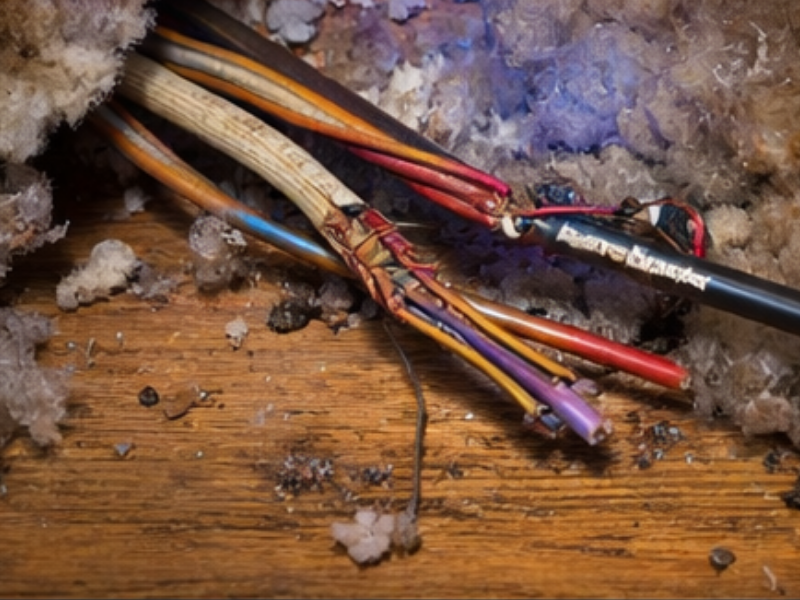
Roof rats’ incisors never stop growing, meaning they never stop chewing. In older estates, rats systematically strip the insulation from 40-year-old electrical wiring, creating active fire hazards across hundreds of linear feet of conduit.
In modern, luxury custom builds with smart-home infrastructure, rats chew through fiber optic cables, low-voltage wiring, and HVAC ductwork. Attic insulation saturated with rodent urine and feces must be completely removed and replaced—a remediation project that on a 5,000-square-foot estate can easily exceed $15,000 before exclusion work even begins.
Noticed signs of Rodents in your home? Don’t let the problem multiply.
➤ Click here to call Ameripest Solutions for a Forensic Inspection.
Why Local Architectural Styles Are Vulnerable to Entry Points
Architecture is destiny when it comes to rodent vulnerability. Beverly Hills’ defining styles were designed for aesthetic grandeur, not pest exclusion:
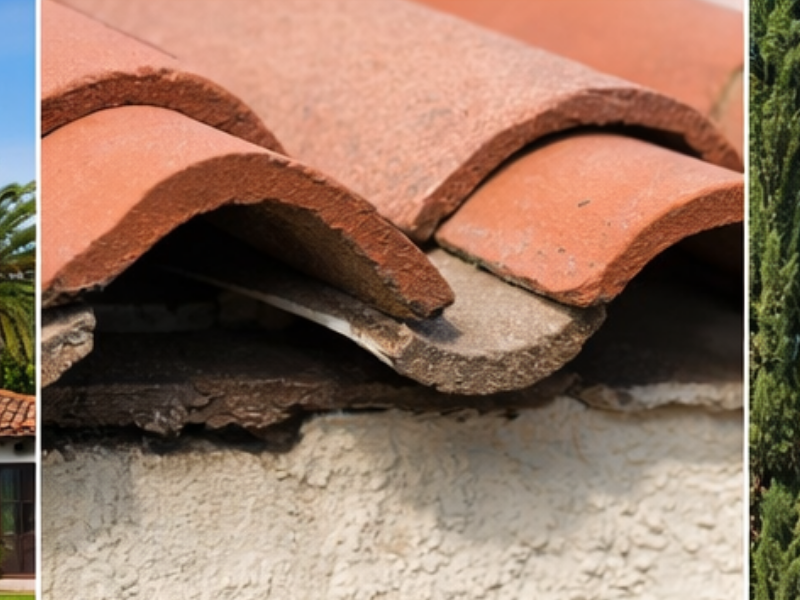
- Mediterranean & Spanish Colonial Revival: The S-curve clay tile roofing system creates open voids at the eave line anatomically sized for a roof rat (which only needs a half-inch gap). Original mortar closures often crack and separate over decades.
- Mid-Century Modern: Flat or low-slope rooflines rely on mechanical penetrations for HVAC and plumbing. These are often sealed with cheap foam sealant that degrades in 3–5 years, which a roof rat can chew through in under two minutes. Continuous post-and-beam construction creates wood pathways straight into interior framing.
- Modern Custom Builds: High-end foam insulation panels and composite framing are often specified for thermal performance with zero consideration for rodent resistance.
A Forensic Approach to Finding Every Entry Point
Effective rodent management is not about throwing bait stations around a property. A comprehensive solution requires a Forensic Structural Audit—a systematic inspection of every linear foot of the building envelope.
During an audit, we map the infestation by looking for diagnostic evidence, including:
- Black Rub Marks (Sebum): Oil and dirt transferred from the rat’s coat as it transits a pathway.
- Fresh Gnaw Marks: On wood fascia, HVAC conduits, and structural gaps.
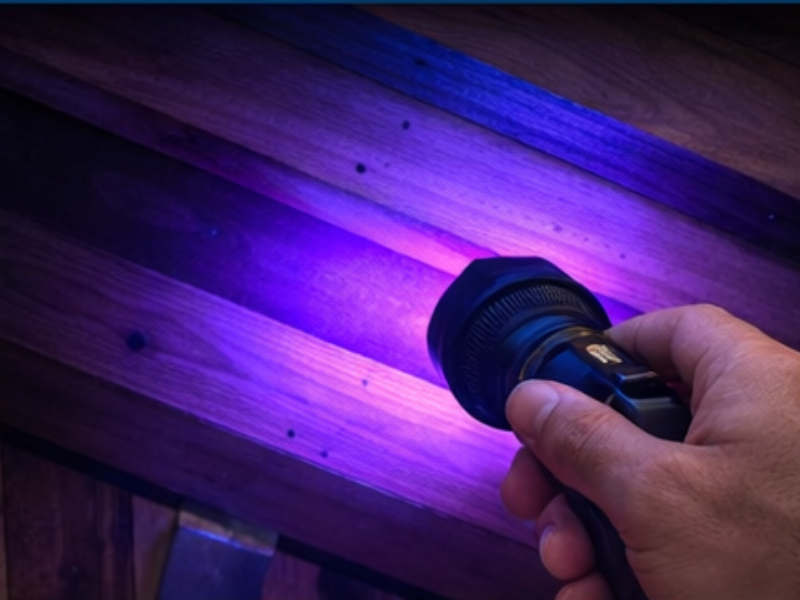
- UV Fluorescence: Detecting unseen urine trails under ultraviolet light.
- Dropping Deposits: Identifying the exact species and timeline of the infestation based on fecal matter.
The Only Strategy That Works: Integrated Exclusion and Population Control
I have watched property owners cycle through exterminators, spending thousands on bait programs that kill individual rats while dozens more enter through unsealed gaps. Population control without structural exclusion is a maintenance program, not a solution.
The Penn State Extension on Integrated Pest Management (IPM) lays out the exact methodology competent practitioners follow: Sanitation, Exclusion, and Population Reduction executed in sequence. Deploying bait before completing exclusion is counterproductive—it drives injured animals deep into your wall cavities to die, creating horrific secondary odor and pest problems.
Exclusion Materials That Hold Up in Beverly Hills
In Beverly Hills, thermal cycling and UV exposure demand commercial-grade materials:
- Galvanized Hardware Cloth (19-gauge+): The standard for vent closures.
- Copper Mesh (Stuf-fit): Packed into gaps before sealant application to prevent break-throughs.
- Exterior-Grade Polyurethane: Outperforms standard foam products at penetration points.
- Custom Aluminum Flashing: The only method that holds against repeated rodent pressure at the roofline of Mediterranean Revival structures.
Ongoing Monitoring: The Beverly Hills Standard of Care
Rodents in Beverly Hills are not a problem you solve once—they are a condition you manage systematically. The biological pressure of seasonal flooding and summer droughts will test your building envelope twice a year.
A professional monitoring program for an estate includes quarterly perimeter inspections, tamper-evident monitoring stations, and annual attic audits. This is the difference between a property that stays immaculate year after year and one that cycles through infestations every 18 months. The biology does not negotiate, and neither should you.
Frequently Asked Questions (FAQ) About Beverly Hills Rodent Control
Why are rats so common in Beverly Hills?
Beverly Hills provides the perfect ecosystem for rodents. Dense ornamental landscaping (like ivy, cypress trees, and citrus) offers abundant food and harborage, while the area’s older architectural styles provide numerous unsealed entry points into luxury homes.
What is the most common rat in Southern California estates?
The Roof Rat (Rattus rattus) is the most prevalent in Los Angeles and Beverly Hills. They are exceptional climbers that utilize overgrown landscaping and utility lines to enter homes through vulnerable rooflines, eaves, and vents.
Do bait stations solve a rat infestation?
No. Bait stations only address the symptom by killing individual rodents. If the structural entry points on your home are not professionally sealed (exclusion), new rodents will continually replace the ones you eliminate.
How much does rodent remediation cost for a luxury home?
Basic exclusion can cost a few thousand dollars, but if an active infestation has contaminated a luxury estate’s attic, full insulation removal, sanitation, electrical wire repair, and structural exclusion can range from $10,000 to over $20,000.